
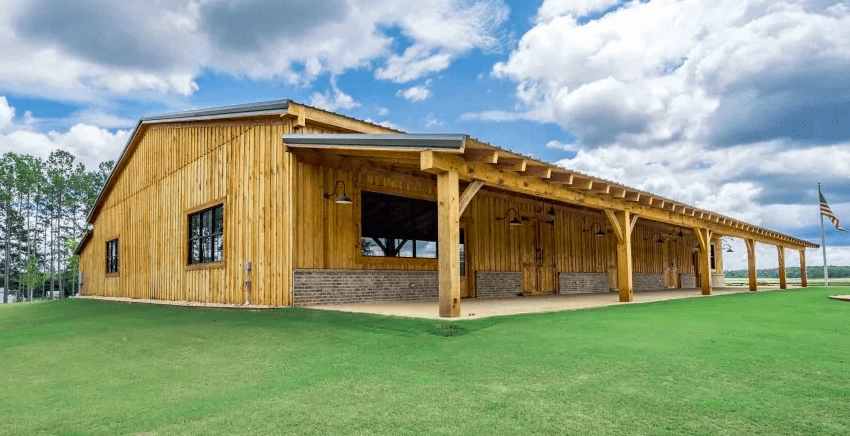
Metal buildings offer numerous benefits, including durability, cost-efficiency, and quick assembly. However, when it’s time to install plumbing and wiring, careful planning is crucial to ensure a successful outcome. Adding utilities transforms your metal building into a fully functional space, whether for living, working, or storage purposes.
This transformation comes with responsibilities, especially regarding safety and compliance. Before starting your project, here are the key considerations to keep in mind for plumbing and wiring a new metal building.
Key Considerations for Plumbing and Wiring a Metal Building
Proper planning is essential for plumbing and wiring your metal building. Below are eight critical factors to ensure success:
1. Zoning and Code Requirements
Compliance with local and state regulations is essential. In Georgia, the International Plumbing Code and Georgia electrical code amendments provide specific guidelines to ensure clean water delivery and safe waste removal. For example, all new buildings must incorporate high-efficiency plumbing systems. Approval from local authorities is also required to proceed with your project.
2. Quality of Wiring and Plumbing
Components Choosing high-quality components is non-negotiable. For wiring, look for equipment certified by trusted organizations like the UL Certification Database. Using reliable materials reduces the risk of system failures and enhances safety.
3. Adequate Insulation
Environmental factors such as temperature extremes can damage your utilities. Proper insulation helps prevent wires from overheating and pipes from freezing. Strategically placed insulation tailored to your climate is a long-term safeguard for your building.
4. Awareness of Existing Infrastructure
Before installation, confirm that your plans won’t interfere with existing electrical lines, sewage systems, or cables. Overlooking this step can lead to costly delays and potential safety hazards.
5. Drainage Systems
Ensure your building has adequate drainage before installing plumbing. Poor drainage can lead to structural damage, particularly in foundational areas. Investing in proper drainage early will protect your building’s value for years to come.
6. Planning for Future Expansions
Even if you don’t anticipate expanding your building soon, leaving room for future upgrades is wise. Strategic wiring and plumbing layouts make modifications easier, saving time and money for you or future owners.
7. Accessibility for Maintenance
Wiring and plumbing systems will eventually require maintenance, whether it’s replacing parts, repairing leaks, or rewiring. Make your utilities accessible for easy repairs to save time and reduce costs for future maintenance needs.
8. Balancing Cost and Quality
While it’s tempting to cut costs, plumbing and wiring are not areas to skimp on. These systems form the backbone of your building’s functionality and safety. Prioritize quality over savings to avoid expensive repairs or replacements down the road.
Why Proper Planning Matters
Taking the time to address these factors before starting your project can prevent common pitfalls and ensure the success of your metal building’s plumbing and wiring. By carefully balancing safety, quality, and future-proofing, you’ll create a structure that meets your current needs and stands the test of time.
Let Peak Steel Contractors Help
Need assistance with plumbing and wiring a new metal building? At Peak Steel Contractors, we specialize in metal building design and construction. Our team ensures your utilities are installed safely, efficiently, and in compliance with all regulations.
Visit our website to learn more about our past projects, or contact us today for personalized advice and expert assistance. Let us help you bring your vision to life with a fully functional metal building tailored to your needs.