By Peak Steel
Buffer Your Commercial Building Against Inflation
How can you minimize the cost of a commercial building in this economy? Here are some ideas on how to buffer your commercial building against inflation.

Inflation may ebb and flow, but for business owners and investors, the reality is the same: prices for construction materials, labor, and operational costs rarely return to their previous lows. That’s why it’s more important than ever to buffer your commercial building against inflation by making smart choices from the very start. In 2025, building a commercial property means carefully balancing upfront costs, long-term operating expenses, and future adaptability.
If you take a proactive approach to your design, materials, and construction methods, you can create a building that not only saves money now but continues to perform efficiently for decades to come.
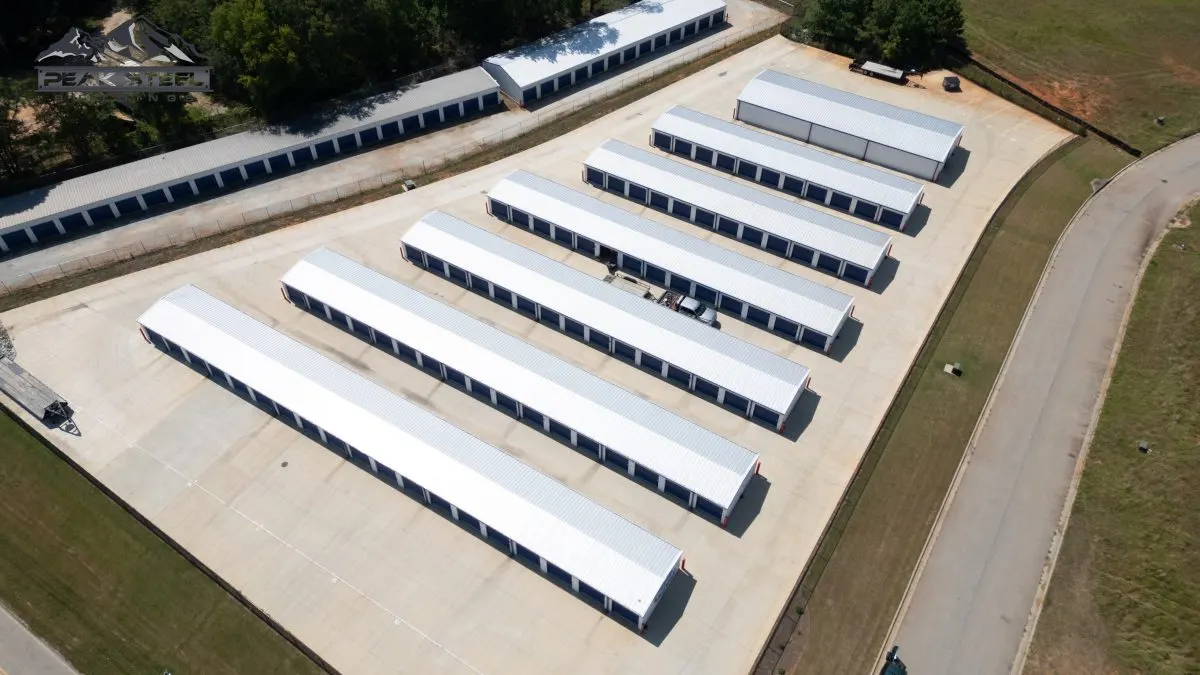
Build with Steel for Long-Term Value
For stores, restaurants, warehouses, and office spaces, steel has emerged as one of the smartest investments for resisting the effects of inflation. When you choose steel:
- Lower upfront investment. You could spend half of what you’d pay for wood or concrete while still getting exceptional strength and durability.
- Faster construction. Prefabricated steel buildings can be completed in as little as eight weeks from order to installation. That’s less time for inflation to push prices up mid-project.
- Lower transport and foundation costs. Steel is lighter than concrete and wood, which means less expensive transportation and a lighter, less costly foundation.
- Recycled content for savings. Much of today’s construction steel is recycled, which keeps costs lower without sacrificing strength.
By using pre-engineered steel components, you’ll cut down on waste, reduce labor hours, and avoid costly mid-build material price jumps.
Choose Steel for a Resilient Future
Over the lifespan of your building, steel keeps delivering value in ways other materials can’t match:
- Exceptional durability. Steel is noncombustible, pest-resistant, and doesn’t mold, rot, or crumble.
- Protection against corrosion. Choose red-iron steel with a protective oxide coating to defend against water damage, plus pre-painted exterior panels for long-term erosion resistance.
- Structural strength for open layouts. Steel I-beams can span wide spaces without interior support columns, making it easier to adapt layouts over time.
- Easy expansion. Need to grow? Simply remove an exterior wall panel and extend the structure outward.
- Lower insurance premiums. Many insurers offer reduced rates for fire-resistant and disaster-resilient steel buildings.
Because steel buildings can be modified without major structural disruption, they hold resale value better—a major advantage if you decide to sell in the future.
Design an Inflation-Resistant Interior
Protecting your commercial building from inflation doesn’t stop at the exterior shell. Operational costs can eat away at your profit margins, so energy efficiency is key.
- Insulate wisely. Even in mild climates, proper insulation keeps utility costs predictable and helps protect steel from condensation. Consider spray foam, fiberglass batts, or rigid board insulation for walls and ceilings.
- Invest in energy-efficient systems. LED lighting, high-efficiency HVAC, and smart thermostats can reduce energy use by 20–40% annually.
- Incorporate renewable energy. Solar panels, especially on unobstructed rural or suburban properties, can offset electricity costs and protect against utility price spikes.
Take Advantage of Incentives
Energy-efficient upgrades can pay off faster when you tap into rebates and tax credits:
- Federal tax credits. The Inflation Reduction Act has expanded tax incentives for installing solar, heat pumps, and other high-efficiency systems.
- State programs. Many states offer commercial energy rebates for HVAC, lighting, and insulation upgrades.
- Utility company incentives. Providers like Georgia Power offer rebates on dozens of commercial energy-saving products, from refrigeration equipment to LED retrofits.
Ask your accountant or project manager to factor these into your budget planning—they can significantly shorten your return-on-investment timeline.
Keep Costs Down with Strategic Procurement
Inflation often shows up first in supply chain costs. By planning purchases wisely, you can minimize its impact:
- Buy in bulk. Secure commonly used materials and supplies early in your project to avoid mid-construction price hikes.
- Source used or surplus equipment. Many suppliers sell gently used pallet racks, warehouse shelving, or office furniture at a fraction of new cost.
- Negotiate fixed-price contracts. Locking in material and labor rates before inflation accelerates can save thousands.
Future-Proof Your Commercial Building
A building designed for flexibility will adapt to market changes without costly overhauls. Consider:
- Modular layouts that can accommodate different tenant needs.
- Convertible spaces that can transition from office to retail to light industrial.
- Infrastructure capacity for future tech upgrades, such as EV chargers or advanced networking systems.
When your building can evolve without major reconstruction, you’re naturally buffering your commercial building against inflation because you won’t face high renovation costs later.
Partner with Experts Who Understand Inflation-Resistant Building
The reality of 2025’s construction market is this: inflation is here, but it doesn’t have to control your project. The right materials, efficient design, and cost-conscious strategies can keep your commercial building within budget now and for years to come.
At Peak Steel Contractors, we specialize in steel commercial buildings designed to withstand both environmental and economic challenges. From planning and design to construction and finishing, our team ensures every dollar you spend works harder for you.
Contact us today to see how we can buffer your commercial building against inflation and help you achieve a durable, adaptable, and profitable space.
Last updated