By Peak Steel
Curbing Maintenance Costs with Steel Buildings
Discover how steel buildings help with curbing maintenance costs. Learn design tips, energy savings, and smart strategies to lower long-term expenses.
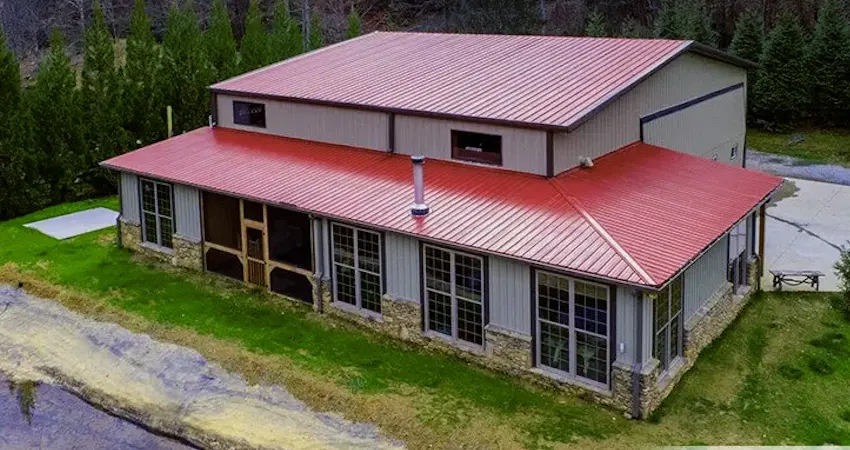
Every building requires upkeep, but the material you choose can dramatically influence long-term expenses. For business owners, facility managers, and investors, one of the smartest strategies for curbing maintenance costs is selecting steel for your commercial building. Steel’s durability, resistance to pests and weather, and flexibility in design make it one of the most cost-effective construction options available today.
From routine upkeep to long-term capital planning, steel buildings help businesses save money while maintaining safe, efficient facilities. Let’s explore how proper planning, smart design choices, and the natural advantages of steel can minimize maintenance costs and maximize value.
Routine Maintenance vs. Capital Expenses
Before diving into building strategies, it’s important to distinguish between two categories of expenses:
- Maintenance costs: Regular tasks like HVAC filter replacement, light bulb changes, lawn mowing, or window cleaning. These appear monthly or quarterly in your operating budget.
- Capital expenses: Larger investments, such as roof replacement, new HVAC systems, or energy-efficient upgrades. These typically occur less frequently but can have long-term impacts on operating costs.
The goal is to reduce recurring maintenance while using capital spending strategically to lock in long-term savings. Steel buildings make this balancing act much easier.
Build Savings into Your Design
Smart design choices up front can reduce the need for costly repairs or repetitive maintenance later.
Prevent Moisture and Rust
Steel is naturally resilient, but protecting against moisture is key.
- Site selection: Avoid areas prone to flooding or poor drainage.
- Red-iron steel: Structural members coated with iron oxide resist water damage.
- Pre-painted exterior panels: These arrive with factory-applied coatings that reduce repainting needs.
- Insulation and vapor barriers: Proper insulation prevents condensation inside, protecting both steel and stored goods.
- Door and window planning: Match factory-cut openings with the correct fixtures to prevent leaks.
By focusing on moisture control from the start, you’ll eliminate one of the most common long-term threats to steel structures.
Choose Durable Flooring Options
Floors take daily abuse, and your choice here can significantly influence upkeep costs.
- Concrete with epoxy finish: Seals the surface, reduces dust, and is easy to clean.
- Stained or polished concrete: Attractive without the need for coverings that wear out.
- Vinyl options: Durable, low-maintenance alternatives available in a variety of designs.
While carpet might seem appealing in office areas, it generally requires more frequent cleaning and replacement. Durable flooring options extend replacement cycles and keep cleaning costs lower.
Green Your Property to Save Money
Landscaping isn’t just about aesthetics—it also affects long-term maintenance.
- Native plants: Adapted to local climates, they require less irrigation and fertilizer.
- Mixed root systems: A combination of shrubs, grasses, and flowers helps reduce erosion and puddling near foundations.
- Reduced lawn areas: Expanding landscaped borders cuts mowing time and costs.
Thoughtful landscaping not only lowers water and chemical use but also prevents maintenance issues related to drainage and soil erosion.
Use Preventive Maintenance Schedules
Even with durable steel, routine upkeep is essential. Implementing a preventive maintenance schedule ensures small issues don’t grow into costly problems.
- Checklists: Create recurring task lists to stay on track with cleaning, inspections, and filter changes.
- Maintenance management software (MMS): Track warranties, assign tasks, and log repairs across multiple buildings.
- Digital reminders: Many systems send automated alerts for upcoming maintenance, reducing the risk of forgotten tasks.
The initial effort of creating schedules pays off by catching issues early, lowering emergency repair costs.
Invest in Energy-Efficient Upgrades
Many long-term savings come from lowering utility bills. Steel buildings integrate easily with energy-saving technologies.
- Insulation: Improves interior comfort while reducing heating and cooling costs.
- LED lighting: Uses up to 75% less energy than traditional bulbs and lasts longer.
- Solar panels: A natural fit for large, unobstructed steel roofs.
- Energy Star appliances: Certified HVAC systems, office equipment, and food service gear cut monthly bills.
Many of these investments qualify for tax credits, rebates, or insurance discounts—further helping with curbing maintenance costs over time.
Benefits of Steel for Long-Term Maintenance Savings
Steel’s unique properties make it ideal for businesses seeking to minimize maintenance:
- Durability: Resistant to fire, termites, and rot.
- Flexibility: Wide-span interiors allow for layout changes without costly renovations.
- Low insurance premiums: Fire-resistant and disaster-ready materials often result in lower policy costs.
- Easy expansion: Additions are simpler with steel compared to traditional materials.
Unlike wood or concrete, steel buildings require fewer touch-ups and less intensive repairs, which keeps ongoing expenses manageable.
Real-World Example: Expanding Without Extra Costs
Consider a growing distribution company. Initially, they build a 20,000-square-foot steel warehouse with wide-span beams and pre-painted exterior panels. Ten years later, when inventory needs increase, they easily expand by removing a wall and adding another section. Because the original steel framework was designed with flexibility in mind, they avoid the high costs of redesigning the entire structure.
This is a prime example of how steel helps future-proof your investment while curbing maintenance costs and capital expenditures alike.
Partner with Experts Who Know How to Maximize Savings
Steel buildings already start with a strong cost advantage—but with expert design and planning, you can save even more. The right partner will guide you in:
- Selecting site locations that minimize environmental risks
- Choosing finishes and coatings that reduce upkeep
- Incorporating energy-efficient systems from the start
- Designing flexible layouts that adapt to future needs
Peak Steel Contractors: Your Partner in Curbing Maintenance Costs
At Peak Steel Contractors, we understand that building costs don’t end when construction wraps up. Long-term performance and efficiency matter just as much as the initial investment. That’s why we focus on designing and constructing steel buildings that are durable, adaptable, and efficient.
From insulation and flooring to landscaping and layout, our team will help you make the smart choices that keep your building affordable to maintain for decades to come.
Contact us today to learn more about how we can help with curbing maintenance costs and design a steel building that delivers value long after the project is complete
Last updated