By Peak Steel
Georgia Construction Accident Prevention: How To Keep Your Team Safe
Want a quick reminder of the top construction accidents, as well as the best things you can do for construction accident prevention? Read on.
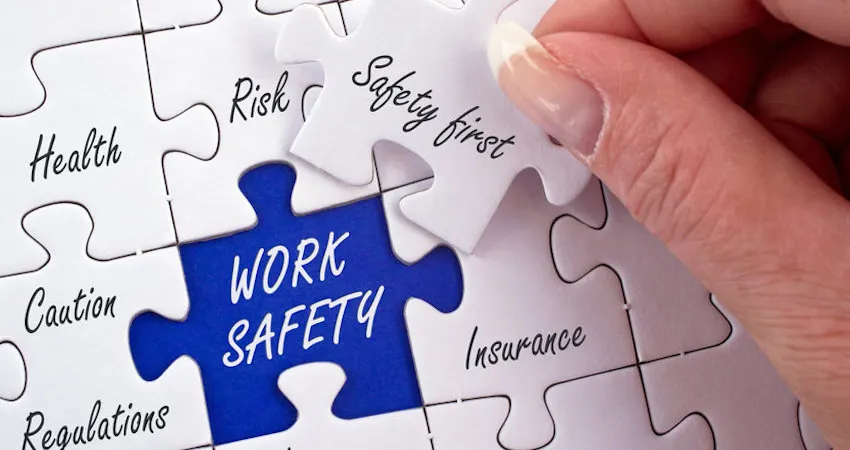
Fortunately, with the right knowledge and safety practices, many of the most common construction accidents in Georgia can be avoided. This guide walks through the top hazards and proven strategies to protect your crew and your job site.
Common Construction Accidents on Georgia Job Sites
Understanding the most frequent causes of injuries on construction sites is the first step in preventing them. Below are the six most common hazards construction teams face—and why they occur.
1. Falls From Heights
Working on ladders, scaffolding, or rooftops is a regular part of many construction jobs. But these tasks come with serious fall risks. Even a short drop can result in broken bones, head trauma, or worse if proper fall protection isn’t in place.
2. Falling Objects and Debris
Tools, construction materials, and hardware can easily fall from above, especially in multi-level projects. Hard hats help, but unsecured materials can still cause severe head and back injuries—and lead to trip hazards when scattered across the site.
3. Electrical Hazards
Live wires, temporary power supplies, and unfinished electrical systems are common. Without caution, workers can suffer burns or life-threatening electrocution. These accidents often result from failure to identify or properly label high-voltage areas.
4. Machinery and Equipment Injuries
From jackhammers and forklifts to cranes and circular saws, construction equipment brings power and risk. Improper use, poor maintenance, or lack of training can all lead to crush injuries, amputations, or impact trauma.
5. Ground Collapses and Excavation Incidents
Digging trenches or excavating foundations can create unstable ground. If soil shifts or walls collapse, workers inside trenches may be buried or trapped. These hazards often go unnoticed until it’s too late.
6. Overexertion and Heat Stress
Georgia’s hot, humid summers are a hidden threat. Workers doing physically intense labor in high temperatures can suffer dehydration, heatstroke, or even cardiac arrest. Overexertion is also a leading cause of musculoskeletal injuries on the job.
Smart Construction Accident Prevention Strategies
Now that you know the risks, here’s how to reduce or eliminate them with smart, enforceable job site practices.
1. Enforce PPE Usage at All Times
Personal protective equipment (PPE) should be mandatory. At a minimum, your workers should wear:
- Hard hats
- Steel-toed boots
- High-visibility vests
- Gloves
- Eye protection (when cutting, grinding, or welding)
Depending on the task, hearing protection and fall arrest harnesses may also be necessary.
2. Encourage Frequent, Scheduled Breaks
Regular breaks aren’t just a labor requirement—they’re critical to preventing overexertion and fatigue-related accidents. Provide shaded rest areas with water, especially in the warmer months, and rotate strenuous tasks when possible.
3. Use Proper Signage and Warnings
Clearly mark danger zones such as:
- Electrical panels
- Trenches or excavation areas
- Heavy machinery operation zones
- Overhead work areas
Use color-coded signs, visual indicators, and temporary barriers to help both workers and visitors avoid risks.
4. Maintain Equipment on a Strict Schedule
A proactive maintenance routine helps prevent malfunctions that can lead to injury. Assign responsibility for regular checks on all:
- Power tools
- Vehicles
- Safety gear
- Emergency equipment (fire extinguishers, first aid kits)
Keep a maintenance log and replace worn-out items immediately.
5. Conduct Ongoing Safety Training
Construction safety isn’t one-and-done. Hold brief weekly toolbox talks or daily huddles to discuss new risks, weather-related concerns, or reminders about site-specific safety measures. Make sure new hires are properly onboarded with formal safety orientation.
6. Perform Daily Site Inspections
Assign a supervisor to walk the site every day before and during active work hours. Have them check for:
- New hazards (pools of water, loose wires, unstable scaffolding)
- PPE compliance
- Proper storage of tools and materials
- Signage visibility
Quick identification and correction of hazards can prevent serious incidents.
7. Implement a Fall Protection Program
If your team works at height, your fall protection plan should include:
- Guardrails
- Safety net systems
- Personal fall arrest systems
- Anchoring points
- Harness inspections before every use
Ensure workers are trained in proper harness use and fall recovery procedures.
Building a Culture of Safety in Georgia Construction
Even the best safety policies won’t protect your team if they aren’t followed consistently. One of the most effective forms of construction accident prevention is fostering a safety-first culture. That means:
- Leading by example (supervisors wear PPE, follow protocols)
- Empowering workers to speak up about hazards
- Rewarding safe behavior
- Documenting and learning from any incidents that occur
Construction work is physically demanding and mentally taxing. When workers know their well-being matters, they’re more likely to stay focused, alert, and proactive about safety.
When in Doubt, Partner With Professionals
Managing accident risks takes experience and vigilance. Working with a trusted, safety-conscious contractor can make a huge difference. At Peak Steel Contractors, we don’t just deliver quality work—we do it with safety as a priority.
We understand the unique risks Georgia construction sites face, from heat stress to heavy equipment operation. Our team follows best practices for construction accident prevention, ensuring your project stays on time, on budget, and—most importantly—injury-free.
Choose Peak Steel for Safer Steel Building Projects
If you’re planning a new construction project in Georgia, work with a contractor who puts safety first. At Peak Steel Contractors, we combine years of field-tested experience with a firm commitment to construction accident prevention.
Let us help you keep your team safe while bringing your vision to life. Check out our completed projects or contact us today for a consultation.
Last updated