By Peak Steel
These Pests May Call Your Metal Building Home (Here’s How to Deal With Them)
With these practical prevention tips, you can keep pests in your building under control. Keep your metal structure clean, sealed, and pest-free.
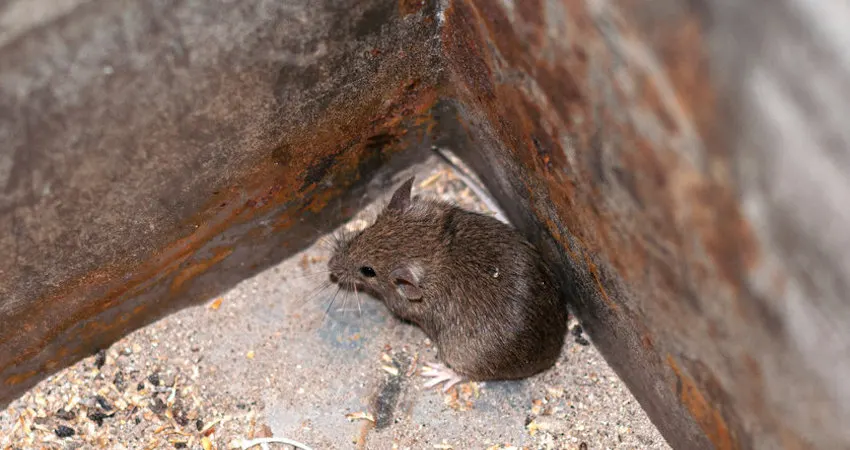
If you’ve invested in a steel or metal building, you’ve already taken a strong first step toward long-term durability. But even metal structures can attract pests that thrive in dark, quiet, and cluttered environments. Knowing how to identify, prevent, and manage pests in your building is critical to maintaining its integrity and your peace of mind.
Why Pest Prevention Is Essential in Metal Buildings
You might assume that a steel structure is practically pest-proof. After all, metal doesn’t rot or attract termites like wood does. However, pests are incredibly resourceful. Gaps around doors, vents, windows, or foundation joints can all serve as entry points. And once they’re in, they can cause more damage than you’d expect.
Rodents may chew through insulation, wires, and stored materials. Insects like ants and cockroaches can nest in corners and multiply rapidly. Even birds, if able to access rafters, can create nests and leave behind droppings that damage surfaces and introduce health risks. If your metal building has any wood features—like trim, supports, or floors—then termites or carpenter ants could also pose a threat.
Preventing pests in your building isn’t just about avoiding the “ick” factor. It’s about protecting your investment, avoiding costly repairs, and preserving the usability of your space, whether you’re using it for storage, a workshop, a garage, or a business.
Warning Signs of a Pest Problem
Not sure if pests are already lurking in your building? Here are a few telltale signs to look for:
- Droppings or urine stains near walls, corners, or stored items
- Chewed or frayed materials, especially cardboard, insulation, and wires
- Nesting debris like shredded paper, fabric, or dried plant matter
- Unpleasant odors, often musky or foul
- Insect trails or sightings of live bugs, especially at night
- Unexplained damage to walls, baseboards, or doors
Early detection is key. If you spot any of these indicators, it’s time to act.
Proven Strategies to Keep Pests Out
Here’s how you can keep pests in your building from becoming a permanent problem.
Perform a full inspection of your building and look for even the smallest openings—especially around doors, windows, vents, and the foundation. Seal them with caulk, expanding foam, or weatherstripping. For larger gaps, steel mesh or metal flashing may offer better durability and chew-proof protection.
Many pests—particularly insects and rodents—are drawn to moisture. Make sure your building has proper grading and gutters to direct water away from the foundation. Avoid placing water sources or hoses directly beside the building, and fix any interior leaks promptly.
Clutter is a pest’s best friend. It offers hiding spaces and nesting materials, making detecting problems harder. Organize items off the floor using shelving. Avoid storing cardboard boxes, which attract insects. Sweep or vacuum regularly to avoid food or trash buildup in any part of the building.
If your building is used to store pet food, animal feed, seeds, or any organic material, keep it in heavy-duty plastic or metal containers with tight-fitting lids. Never leave open bags or containers lying around. This is especially important in rural areas or buildings near wooded property.
Installing a physical barrier between your foundation and the surrounding soil can help prevent burrowing pests. Gravel, crushed rock, or concrete skirts are often effective in deterring rodents and insects.
Ensure that any vents or windows have screens with no holes or tears. Wire mesh screens can help block everything from small insects to birds. For extra protection, use fine mesh that even tiny bugs like ants can’t get through.
Trim back grass, weeds, and shrubs at least 12 to 18 inches from the sides of your building. Tall grass or dense foliage serves as a bridge for pests, and can make it hard to see burrow openings or ant trails forming near your foundation.
There are plenty of pest deterrents available—some natural and others chemical. Peppermint oil, cedarwood, and vinegar can deter some insects and rodents. For persistent issues, consider using perimeter insecticide sprays or bait stations, but follow safety guidelines and avoid contamination of stored items.
Common Pests Found in Metal Buildings
Understanding which pests are most likely to invade your structure can help you target your prevention efforts:
- Mice & Rats – Capable of squeezing through openings as small as a dime
- Spiders – Especially in dark, unused corners or around exterior lighting
- Wasps & Hornets – May nest in eaves, corners, or ceiling rafters
- Ants – Attracted to moisture and food residues
- Cockroaches – Thrive in dark, damp, undisturbed places
- Birds – Can nest in rafters if small openings allow access
Each of these pests brings its own problems, whether it’s contamination, damage, or health risks.
Seasonal Pest Management Tips
- Spring: Inspect and reseal gaps after winter expansion/contraction. Spray insecticides early before nests form.
- Summer: Monitor for wasp nests and heat-seeking rodents. Keep food tightly contained.
- Fall: Eliminate organic debris (like leaves) that could attract pests. Rodents begin seeking shelter.
- Winter: Regularly inspect for signs of indoor nesting or activity.
Partner With Peak Steel Contractors for Smarter Building Design
The best way to avoid pests in your building is to start with smart design and construction. At Peak Steel Contractors, we don’t just build strong, reliable metal buildings—we help clients maintain them for the long haul.
From moisture-resistant foundations to tight seals and insulated panels, we consider all the elements that contribute to a pest-resistant structure. Our team is here to help you with custom solutions that keep your metal building clean, durable, and functional year-round.
If you’re tired of dealing with pests in your building, contact us today to learn more about how our expert team can help protect your investment.
Last updated