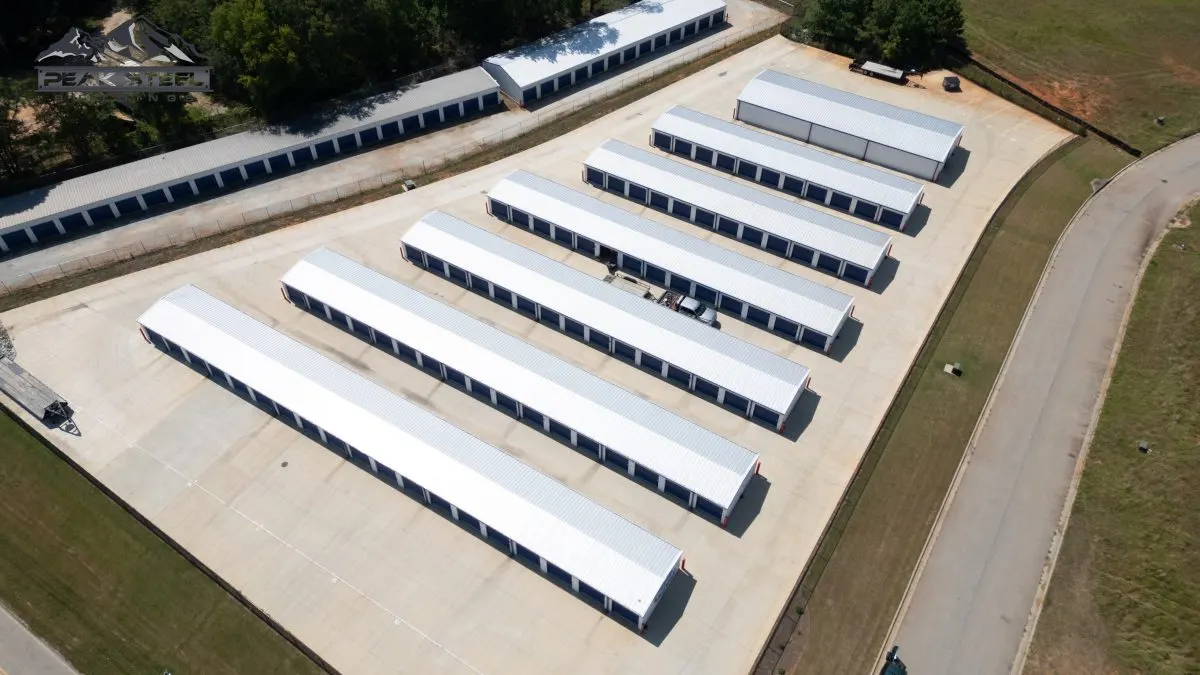
By Peak Steel
Here’s Why Steel is So Useful for Industrial Construction
Many even call steel the most widely-used metal for construction. Learn eight reasons why steel is so useful to construction.
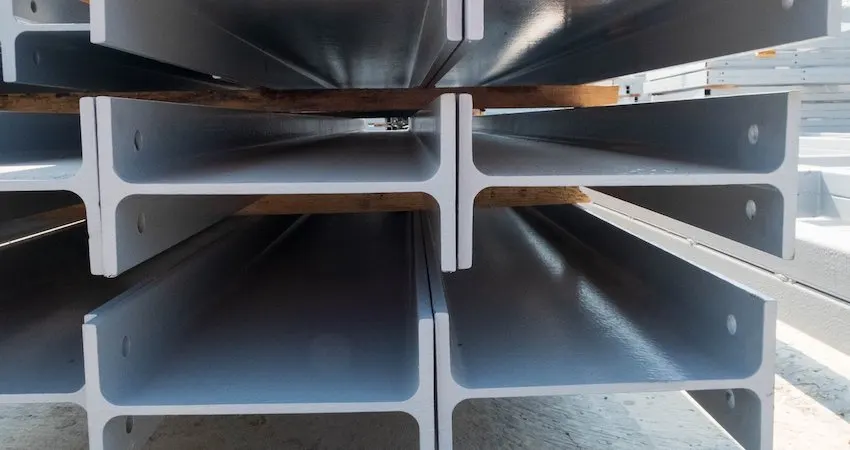
Steel is so useful and ubiquitous in the construction industry. Many even call it the most widely-used metal for construction.
That’s not steel’s only achievement; it’s also the most recycled material on the planet. It’s cost-effective, eco-friendly, durable, and versatile.
When you’re getting ready to launch an industrial construction project focused on building a factory, power plant, warehouse, or another specialized type of structure, these are the qualities you need for your project to remain in scope.
More than that: Steel is a perfect building material for industrial construction for several reasons. If you’re building a structure that needs to meet specific regulations, support heavy equipment, and undergo constant use over a long period of time, steel is the way to go. Here’s why.
The Eight Features that Make Steel Uniquely Useful for Industrial Construction
Steel is malleable.
Malleable metals can be ‘moved about like dough’ and formed into any shape required for a construction project. This allows contractors to create structural pieces customized to the exact needs of the client and building site. Other metals may offer similar levels of malleability but without other necessary properties — for example, steel’s strength.
Steel is strong.
Steel is an alloy of carbon and iron. It is heated to remove impurities and add elements that confer hardness and strength. Therefore, steel is a material that has been engineered to stay put. It’s less brittle than iron, giving it a high fracture resistance. The tensile strength of steel allows it to endure stress without stretching — a vital property for building materials.
Steel is durable.
Unlike the metals that combine to make steel, steel can withstand tough conditions — extreme temperatures or rough weather — for a long time. As a result, contractors that use steel can enjoy minimal maintenance for their properties. Steel’s durability makes it a preferred choice for industrial projects that need to stand the test of time.
Steel looks good.
While beauty is in the eye of the beholder, most designers and architects agree that steel is one of the more aesthetically appealing materials used for construction. Partially due to steel’s malleability, it creates clean lines and interesting shapes that result in attractive buildings. Moreover, you can produce truly distinctive structures by pairing steel with concrete, vinyl, glass, and other innovative building materials.
Steel is environmentally friendly.
Because steel parts are usually fabricated before use on a construction site, there’s little steel waste created while constructing a new build (as opposed to wood, which is often cut and scrapped locally). The little steel waste a construction team may make can be collected by scrap metal companies that leverage steel’s malleability to create other products. In addition, steel doesn’t lose any of these physical properties after recycling: Even after demolition, steel can be used for another project.
Steel’s eco-friendliness aligns with the growing trend of sustainable construction practices. For this reason, companies looking to reduce their carbon footprint often choose steel as a primary building material.
Steel is predictable.
Ask any contractor how much they enjoy surprises during a building project, and you’ll get a sense of how valued this property of steel is. Because factories that make steel operate under controlled conditions and create a specified product, contractors know precisely how steel will behave under specific circumstances. Consider alternate materials, such as stones and wood, which exhibit inherent variability. While these other materials may have different benefits, they’re not uniform, making them less attractive for structures than steel.
This predictability ensures that projects stay on schedule and within budget, reducing the risk of unexpected complications.
Steel is lightweight.
Even though steel is one of the strongest building materials, it’s surprisingly easy to move and manipulate. This leads to an easier construction phase and allows for flexibility if a reconfiguration of the plant or building is needed later. Its lightweight mature also reduces the strain on construction equipment, saving time and resources.
Steel is cost-effective.
Since steel structures are simpler to assemble than other types of buildings, they require less construction time and labor. Steel parts are usually pre-fabricated, which reduces waste. These factors combine to deliver lower costs. Additionally, steel’s durability and low maintenance requirements translate to long-term savings for property owners.
Why Choose Steel for Industrial Construction?
Steel is so useful for industrial construction because it combines all the qualities needed for demanding projects. It’s strong, durable, and versatile, while also being cost-effective and environmentally friendly. For factories, power plants, and warehouses, steel provides the reliability and performance needed to handle heavy equipment and endure constant use.
Additionally, steel’s flexibility and malleability make it ideal for meeting the unique requirements of industrial structures. Whether it’s creating customized designs or ensuring compliance with strict regulations, steel delivers on all fronts.
If You’re Getting Started with Industrial Construction, Give Peak Steel Contractors a Call
At Peak Steel Contractors, we’re experts in setting projects up to succeed and leveraging careful planning to help you see the results you want. With years of experience in industrial construction, we understand the unique challenges and opportunities of working with steel.
If it’s time to invest in a steel structure for your property, call Peak Steel Contractors! We handle design and build processes and more. Check out our past projects and contact us for more information.
Steel is so useful for industrial construction—let us show you how it can transform your next project.
Last updated